Courtyard gardens are some of the most rewarding spaces to design. Though compact, they can feel private, atmospheric, and deeply personal. In cities like Sydney and across Australia, courtyards are often attached to terraces, apartments, or narrow lots where space is limited. With thoughtful courtyard garden design, even the smallest outdoor area can become a calm and functional retreat that feels like an extension of the home.
At Inspired Exteriors, we approach courtyards as architectural spaces rather than decorative additions. Every detail – from paving and planting to light and texture – is considered to ensure balance, flow, and long-term cohesion.
Principles of Courtyard Garden Design
Designing small gardens is about restraint and proportion. In a courtyard, every element serves a purpose. Paving, planting, and vertical features must work together to create structure without overcrowding the space.
Light is another defining factor. Courtyards are often shaded by walls or neighbouring buildings, so plant selection must respond to varying light levels. Privacy is equally important. A well-designed courtyard feels secluded and intimate, even in the middle of a dense neighbourhood.
Material choices play a large role in shaping atmosphere. Stone, concrete, and timber can create visual depth and tactile warmth. These materials also influence planting selection, helping define tone and mood within the limited space.
For more on how boundaries and structure influence a garden’s composition, see our article on Designing Garden Backdrops.
Materials and Planting in Courtyard Garden Design
Planting in courtyards must perform multiple functions: providing greenery while making the space feel larger and more layered. This is achieved through careful planting composition – low groundcovers to soften edges, mid-level shrubs for structure, and feature trees for scale.
Climbing species are particularly valuable in courtyard garden design, allowing vertical surfaces to become living walls. They bring softness, colour, and seasonal movement to spaces that might otherwise feel enclosed.
Hardscape materials are equally important. The size, tone, and pattern of paving can change the perception of scale. Natural finishes such as granite or cobblestone add durability and character that improves with age. Integrating pots and planters allows for flexibility and seasonal variety. Large statement pots can anchor the design, while groups of smaller planters create texture and rhythm.
For ideas on how pots can elevate design and add sculptural presence, read our feature on Pot Styling in Garden Design.
The Role of Landscape Architecture in Courtyard Gardens
Within landscape architecture, small spaces often present the greatest design opportunities. Limited area demands clarity of vision. Each surface, plant, and structural detail contributes to how the space feels and functions. At Inspired Exteriors, we see courtyard design as an exercise in precision. Every project begins with an understanding of proportion, circulation, and view lines. Materials are selected for their texture and tone, while planting brings softness, shade, and movement.
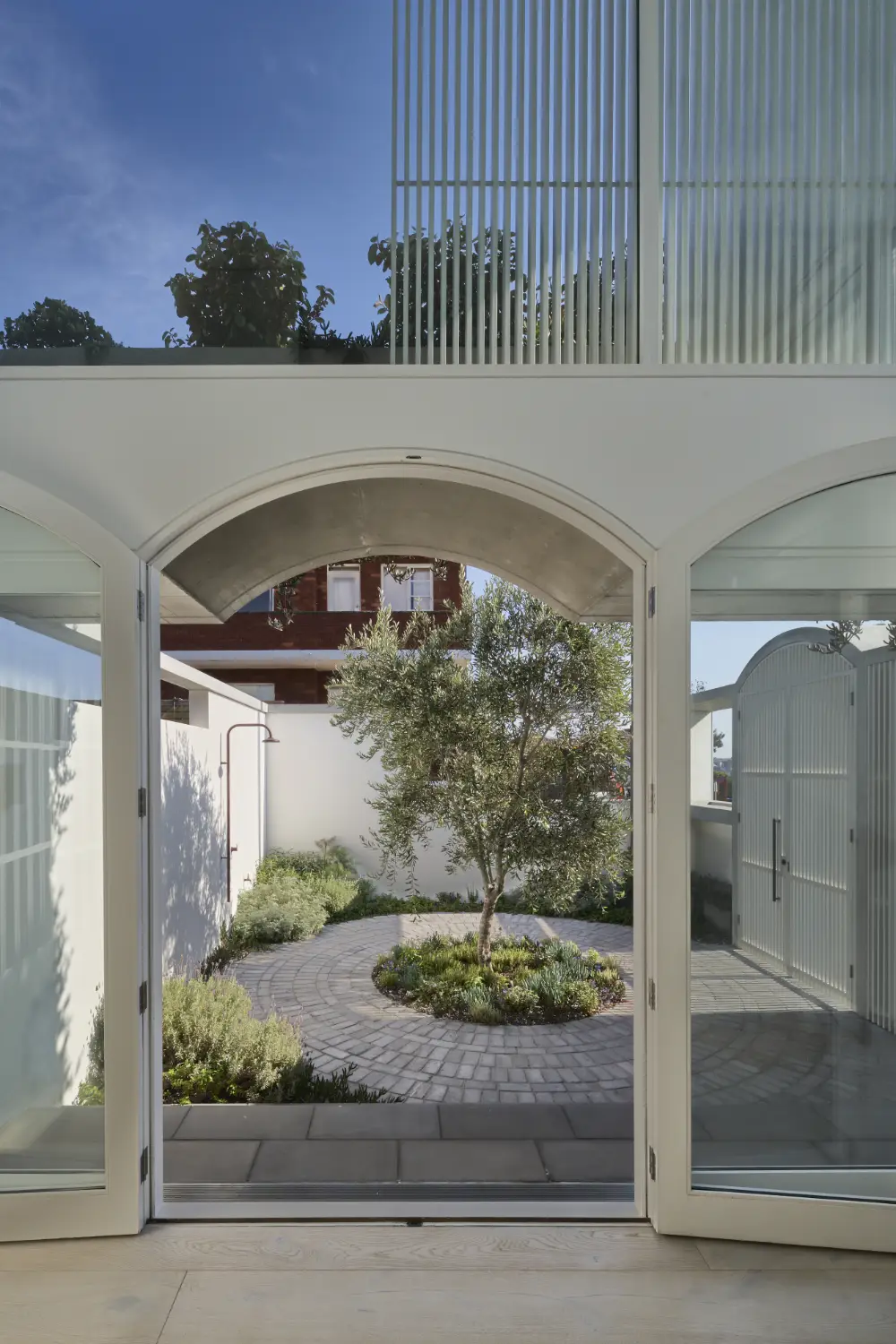
In Tamarama, we designed a compact courtyard centered on a mature olive tree. Its sculptural form was framed by radial cobblestone paving and underplanted with low greenery. The result was a garden that felt timeless and connected to its coastal setting.
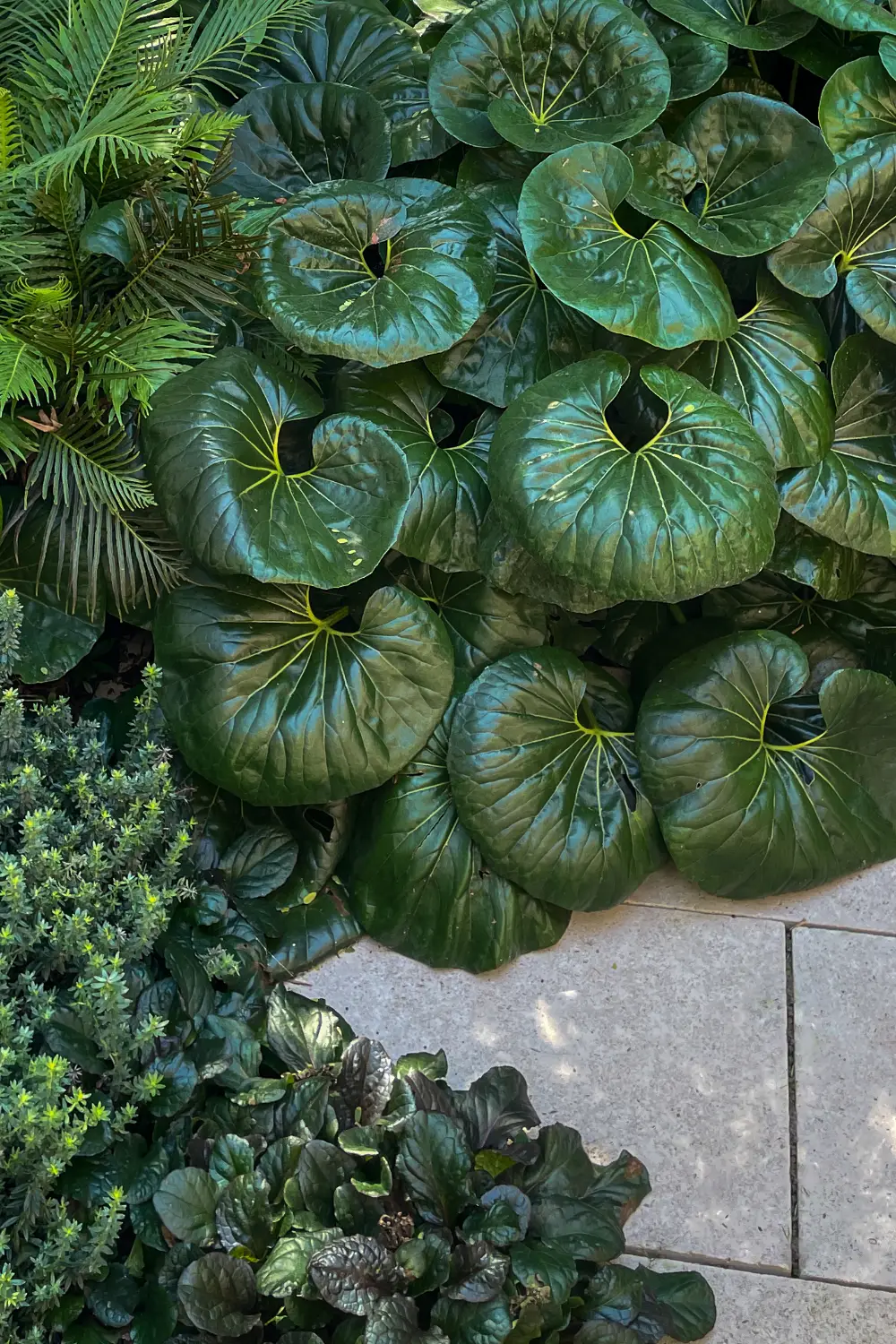
At a Vaucluse residence, we reimagined a shaded entry courtyard with layered subtropical planting and large-format granite tiles from Cinajus. Raised planters, rendered in tones that matched the architecture, created depth and enclosure. The space now feels lush, refined, and cohesive – a calm welcome to the home.
Designing Courtyards That Feel Larger Than They Are
The success of courtyard garden design lies in proportion, repetition, and restraint. Using a consistent palette of materials across paving, planters, and walls helps unify the space. Introducing focal points such as a tree, sculpture, or water feature draws the eye through the garden, making it feel larger and more engaging.
Lighting also extends usability, transforming the courtyard into an evening space for entertaining or quiet reflection. Integrated wall lights, subtle uplighting, or concealed strip lighting under benches can add warmth and drama after dark.
Courtyards demonstrate that scale is no limitation to beauty or function. When approached with careful detailing and an understanding of space, small gardens can deliver big design outcomes.
At Inspired Exteriors, our work in landscape architecture focuses on creating outdoor spaces that feel timeless, functional, and connected to their setting. Courtyards showcase the value of precision and restraint in design.
CONTACT US TODAY to discuss how we can transform your courtyard into a refined outdoor space that enhances your home and lifestyle.