Every great garden has a moment that captures your attention. Designers call this a focal point. It is the element that draws the eye, shapes movement, and gives a garden its sense of intention. Without it, a space can feel unfinished. With it, the design feels balanced, layered, and resolved.
For the team at Inspired Exteriors, garden focal points are not decorative extras. They are essential design tools that help guide how a space is experienced and enjoyed.
The Role of Garden Focal Points in Landscape Design
A focal point is much more than a visual feature. It creates rhythm and direction in the landscape, anchoring outdoor rooms and connecting different parts of a garden. Whether viewed through a window or experienced while walking through the space, the eye should naturally land on something considered and intentional.
A sculptural tree, a water feature, a wall, or even a grouping of pots can all serve as garden focal points. Their role is to create hierarchy and a sense of order within the composition. In small gardens, a single vertical feature such as an ornamental pear or a magnolia may be enough to define space and add height. In larger landscapes, multiple focal points can draw the eye deeper into the site, encouraging movement and exploration.
Proportion is key. A focal point that dominates can overpower the design, while one that is too subtle may disappear. The art lies in finding the balance between presence and harmony, ensuring each element feels at home within the broader landscape.
Using Plants, Materials, and Light to Create Focal Points
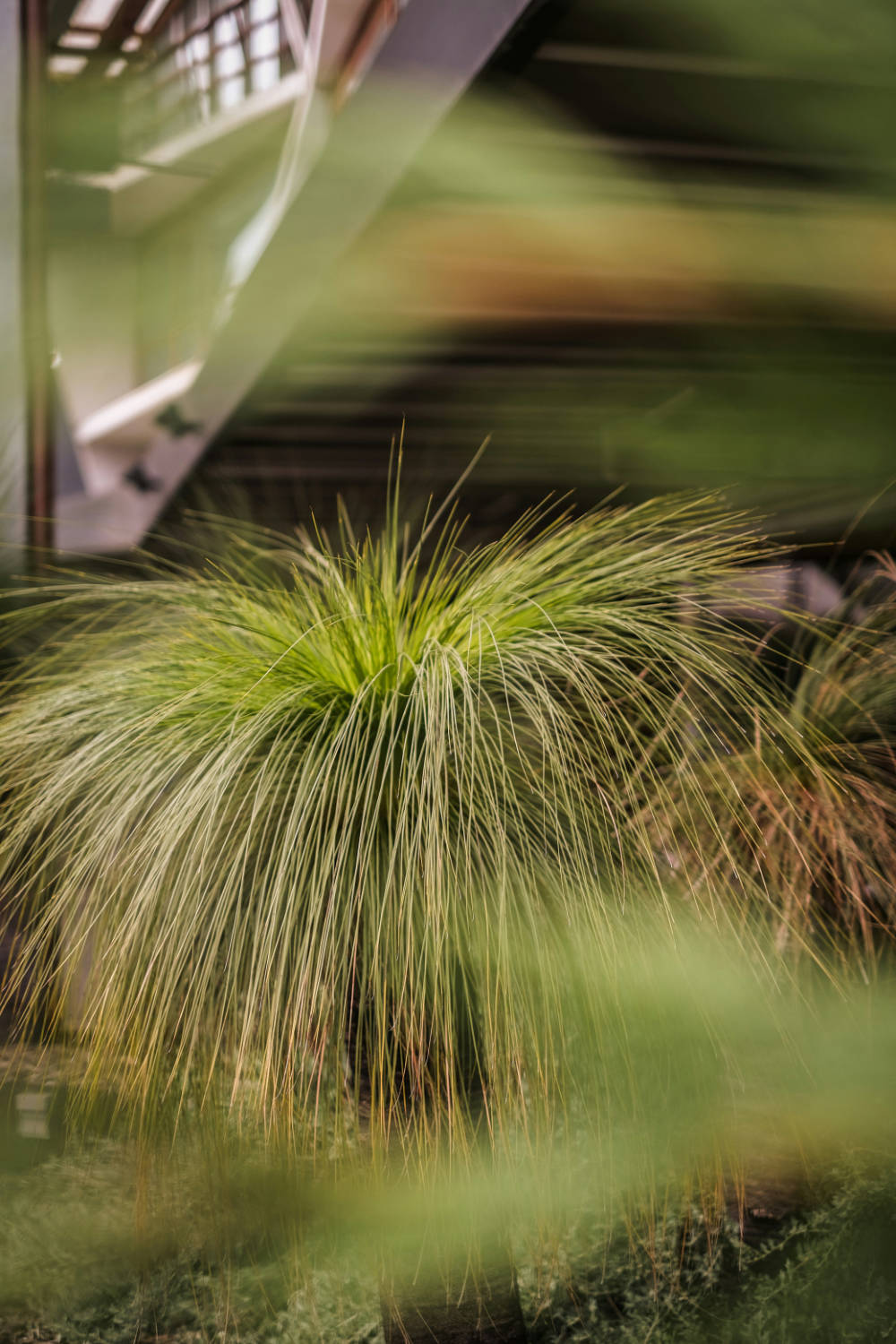
Planting is one of the most powerful ways to create focus. Sculptural plants like grass trees (Xanthorrhoea) or tree aloes (Aloe barberae) immediately command attention, especially when given space to stand apart or placed on a raised mound. Upright trees such as ornamental pears or magnolias can also serve as vertical accents that frame views and lead the eye.
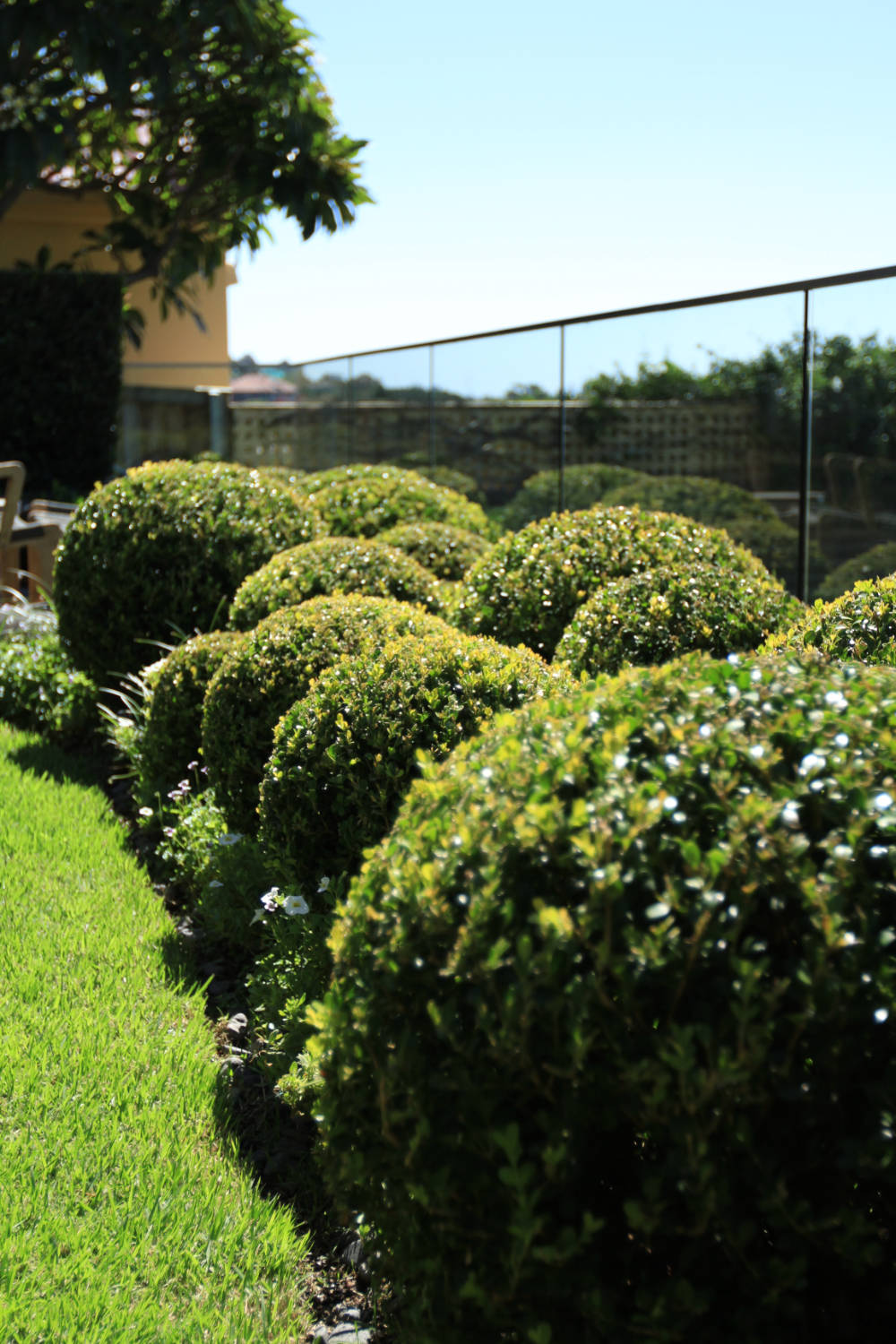
Traditional planting can be equally effective. Climbers trained over trellises, roses on an obelisk, or layered perennials set against a backdrop wall all create structure and depth. The success comes not just from the plants themselves but from how they are framed. A painted wall, stone blade wall, clipped hedge, or even a mirror can serve as a backdrop that makes the focal element stand out.
Hardscape materials play an important role too. Stone, corten steel, or concrete can be used to design benches, water features, or walls that retain visual strength throughout the year. Lighting then extends their impact into the evening, transforming them into glowing points of interest after dark. These details ensure the garden remains engaging across all seasons and times of day.
How Inspired Exteriors Designs Garden Focal Points
At Inspired Exteriors, garden focal points are resolved from the earliest design stages. We consider them alongside planting, materials, lighting, and spatial layout so that every element works together. Our approach is guided by proportion, balance, and connection to the architecture of the home.
In some of our projects, focal points have been mature sculptural trees chosen for their striking form. In others, they have been architectural details such as tiered sandstone walls, custom seating, or water features that anchor the outdoor space. Lighting is often layered into these designs to highlight form and texture, ensuring the focal elements remain active even after sunset.
Through thoughtful landscape design, we create gardens that guide the eye, invite exploration, and feel complete from every angle.
If you are planning a new project and want to bring structure and focus into your outdoor space, REACH OUT to book your 1:1 consult. Our team can help design a garden with stunning focal points that enhance your home and lifestyle.