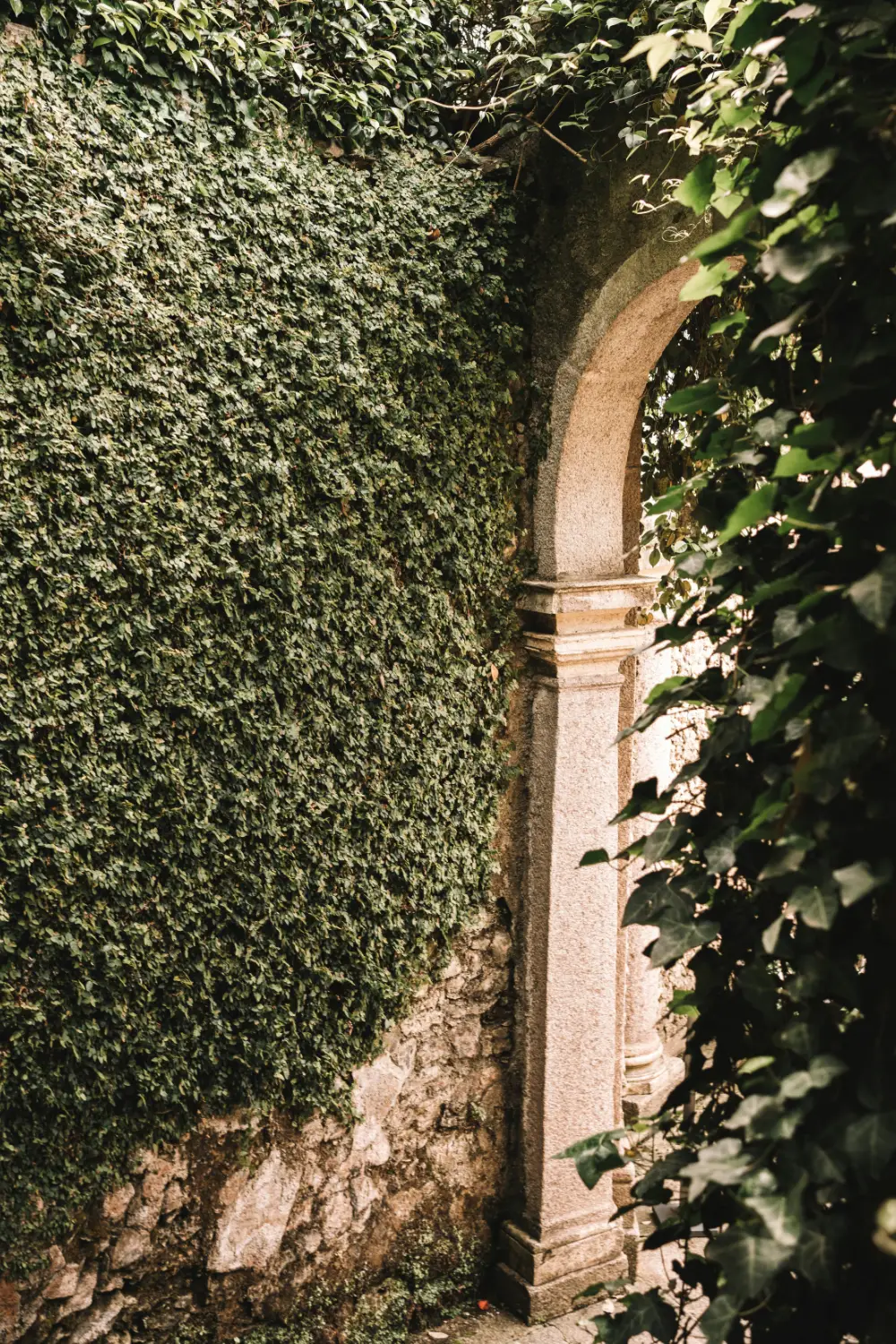
Every garden needs a backdrop. It might not be the first thing you notice, but it quietly defines the view, sets the boundary, and establishes the tone for everything in front of it. In projects across Sydney and throughout Australia, garden backdrop design plays a critical role in shaping how outdoor spaces feel. When done well, the garden feels cohesive and resolved. When overlooked, even the best planting or features can feel disconnected.
At Inspired Exteriors, we consider the backdrop an essential design layer that frames every outdoor space, providing structure, depth, and balance.
The Role of Garden Backdrop Design in Landscape Design
A backdrop influences how a space is experienced. Darker tones, such as dense hedging or painted fencing, draw the eye inward and make bright foliage or sculptural planting stand out. Lighter tones open up a space, pushing the eye upward and outward to create a sense of scale. Beyond visual impact, backdrops also serve a purpose – providing privacy, screening unwanted views, or directing attention toward a borrowed landscape beyond the boundary.
Design intent determines the right approach. In formal gardens, manicured hedges may provide architectural structure. In naturalistic settings, layered shrubs or small trees can soften the edges, so they blend with the surrounding environment. Where space is limited, painted fences combined with narrow planting strips or climbing plants can add visual depth without demanding additional room.
Through considered landscape design, the backdrop becomes a stage that supports everything else in the garden rather than competing with it.
Materials and Planting That Define Garden Backdrop Design
While hedging is a timeless solution, successful garden backdrop design is rarely about plants alone. Materials such as stone, timber, or metal screens introduce architectural rhythm, texture, and warmth. A feature stone wall can connect indoor and outdoor spaces when it mirrors the materials used within the home. Timber battens filter light and soften hard lines, while perforated or patterned screens add shadow play and visual interest.
Regardless of the material, planting remains essential to balance and soften the structure. Too much hard surface can make a space feel stark or uninviting. Even small zones of greenery or climbing species can break up walls and bring movement to the composition. Strategic planting in corners or behind seating can blur boundaries, making spaces feel larger and more layered.
For tips on how to best utilise spaces around the boundary, see our article on Creating Atmosphere in Your Garden.
Designing Backdrops with Inspired Exteriors
At Inspired Exteriors, we treat backdrops as integral to the overall garden composition. They are designed at the same time as the planting, paving, and spatial layout to ensure harmony across the entire project. Each decision is guided by the architecture of the property and the surrounding environment so that the result feels like a natural extension of the home.
In some of our gardens, tall hedges have been used to create privacy, with multi-layered planting in front to provide softness and depth. In others, bespoke stone walls or custom timber screens have become sculptural features that draw the eye deeper into the landscape.
The goal of our garden backdrop design process is always the same – to create boundaries that support the overall design narrative and enhance how the garden is experienced.
GET IN TOUCH with our team today to learn how a considered backdrop design can transform your outdoor space.